时间:2026-06-03来源:网络作者:admin


当千年瓷都景德镇的炉火,遇上百岁瓷王王锡良的匠心,便诞生了《富贵吉祥》这件足以传世的粉彩瓷瓶。它不是一件简单的陈设器物,而是一部以瓷为纸、以彩为墨的视觉诗篇,承载着东方美学的极致表达,也凝缩了中国陶瓷世家跨越百年的艺术传承。
When the kiln fires of Jingdezhen, the thousand-year-old porcelain capital, met the ingenuity of the centenarian porcelain king Wang Xiliang, the famille rose porcelain vase "Fu Gui Ji Xiang" (Auspicious Prosperity) came into being, a work destined to be passed down through generations. It is not merely an object of display, but a visual poem written on porcelain with colors as ink, embodying the ultimate expression of Eastern aesthetics and encapsulating the century-spanning artistic heritage of a Chinese ceramic family.
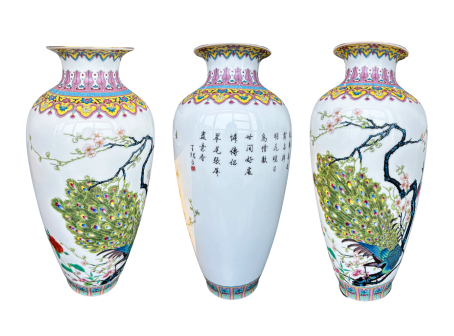
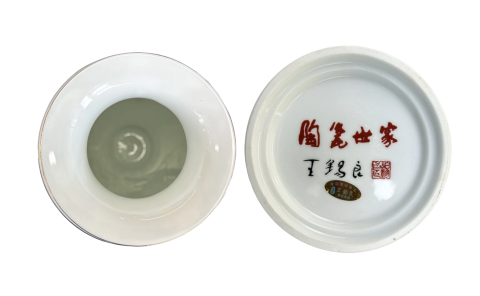
这件《富贵吉祥》瓶,由中国工艺美术大师、“陶瓷世家” 王锡良先生于壬寅年秋在景德镇创作完成,是其晚年艺术生涯中极具代表性的花鸟题材作品。瓶身采用温润莹白的瓷胎为底,胎质细腻坚致,釉面光洁如玉,为所有的彩绘与纹饰提供了纯净而高级的舞台。瓶口与瓶底边缘,以黄、蓝、粉三色勾勒出如意云纹与缠枝花卉边饰,线条工整,色彩明艳,既烘托了主体画面,又增添了几分宫廷的华贵气息。
Created in Jingdezhen by Mr. Wang Xiliang, a Master of Chinese Arts and Crafts and recipient of the "Ceramic Family" title, in the autumn of the Renyin Year, "Fu Gui Ji Xiang" is a highly representative flower-and-bird work from his later artistic career. The vase is crafted from a warm, lustrous white porcelain body with a fine, dense texture and a smooth, jade-like glaze, providing a pure and elegant canvas for all the paintings and decorations. The edges of the mouth and base are adorned with ruyi cloud patterns and scrolling floral borders outlined in yellow, blue, and pink. The precise lines and vibrant colors not only frame the central scene but also infuse the piece with an air of imperial grandeur.
瓶身正面,王锡良大师以细腻的工笔结合灵动的写意,绘就了一幅孔雀开屏、繁花竞艳的盛景。一只孔雀立于枝头,尾羽舒展如扇,每一根翎羽都以红、黄、蓝、绿等多种色彩层层晕染,羽眼的光泽感与羽毛的蓬松质感被刻画得淋漓尽致,仿佛能让人听见开屏时羽毛颤动的微响。孔雀身旁,几枝桃花斜逸而出,粉白的花瓣在枝头绽放,与孔雀尾羽的斑斓交相辉映;下方的牡丹含苞待放,枝叶舒展,寓意着花开富贵,盛世安宁。整幅画面动静相宜,色彩过渡自然柔和,既保留了传统粉彩的浓艳华贵,又融入了文人画的清雅意境。
On the front of the vase, Master Wang combines meticulous gongbi brushwork with dynamic xieyi (freehand) painting to depict a splendid scene of a peacock spreading its tail amidst blooming flowers. A peacock perches on a branch, its tail feathers fanned out like a grand screen. Each feather is meticulously layered with red, yellow, blue, and green hues, capturing the iridescent sheen of the eye spots and the soft texture of the plumage so vividly that one can almost hear the faint rustle of the feathers as they spread. Beside the peacock, several peach blossom branches extend gracefully, their pink and white petals blooming against the vibrant plumage. Below, peony buds stand ready to open, their leaves unfurling, symbolizing blooming prosperity and peace in a flourishing age. The composition balances movement and stillness, with soft, natural color transitions that retain the rich opulence of traditional famille rose while incorporating the refined elegance of literati painting.
瓶身另一面,是王锡良大师亲笔题下的诗句:“风来高枝露亦干,明花暄日鸟情欢。世间好处怜俦侣,翠尾张屏尽意看。” 诗句以工整的楷书书写,笔锋遒劲有力,与一旁的红色印章相得益彰,将画面的意境推向更深层次。诗中既描绘了孔雀在晴日里开屏的生动情态,也暗含了对美好爱情与和睦生活的赞颂,让这件瓷瓶在视觉之外,更添了几分书卷气与文化底蕴。
On the reverse side of the vase, Master Wang’s handwritten poem reads: "Wind stirs the high branches, dew dries in the sun; Bright flowers glow in warm light, birds sing with joy. In the world’s fair places, cherish your companions; The peacock spreads its emerald tail for all to admire." Written in neat regular script with strong, powerful strokes, the poem pairs perfectly with the red seal stamp beside it, deepening the artistic conception of the work. The verses vividly depict the peacock spreading its tail in the sunlight while also praising beautiful love and harmonious life, infusing the vase with a scholarly and cultural charm beyond its visual appeal.
孔雀,自古以来便是东方文化中的瑞鸟,象征着吉祥、华贵与前程似锦。在王锡良大师的笔下,这只孔雀不仅是祥瑞的化身,更是一种生命力量的展现 —— 它舒展的尾羽,是对美好生活的向往;它灵动的姿态,是对生命活力的礼赞。而桃花与牡丹,则分别代表着生机与富贵,与孔雀的意象相辅相成,共同构成了 “富贵吉祥” 的主题。每一笔色彩、每一道线条,都凝聚着大师对传统吉祥文化的深刻理解,也承载着他对盛世繁华的由衷赞美。
The peacock has long been an auspicious bird in Eastern culture, symbolizing good fortune, nobility, and a bright future. In Master Wang’s depiction, the peacock is not merely an embodiment of luck but a manifestation of life’s vitality. Its spread tail feathers represent aspirations for a better life, while its dynamic posture celebrates the energy of living. Peach blossoms and peonies, symbols of vitality and prosperity respectively, complement the peacock, together forming the theme of "Auspicious Prosperity." Every stroke of color and every line reflects the master’s profound understanding of traditional auspicious culture and his heartfelt praise for a flourishing era.
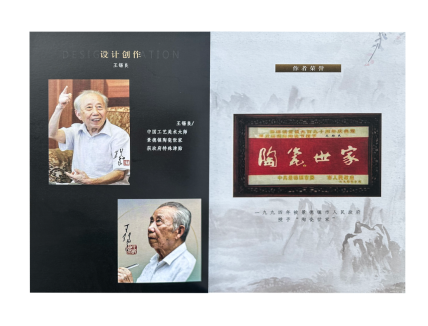
作为景德镇 “陶瓷世家” 的传人,王锡良大师的一生都与陶瓷艺术相伴。他的作品,既继承了景德镇粉彩瓷的传统工艺精髓,又在题材、技法与意境上不断创新,将文人画的审美情趣融入陶瓷创作中,开创了独具个人风格的 “王氏粉彩”。《富贵吉祥》瓶正是这种风格的集中体现:它既有官窑瓷器的规整华贵,又有文人瓷画的清雅脱俗;既有工笔的细腻写实,又有写意的灵动洒脱。从胎釉的选择、彩绘的技法,到题诗的布局、印章的搭配,每一个细节都经过大师的反复推敲,堪称当代陶瓷艺术的巅峰之作。
As a descendant of Jingdezhen’s "Ceramic Family," Master Wang Xiliang dedicated his life to ceramic art. His works inherit the traditional craftsmanship of Jingdezhen famille rose porcelain while continuously innovating in themes, techniques, and artistic conception, integrating the aesthetic taste of literati painting into ceramic creation and developing the unique "Wang-style famille rose." The "Fu Gui Ji Xiang" vase perfectly embodies this style: it combines the order and opulence of imperial porcelain with the elegance and refinement of literati porcelain painting, balancing meticulous realism with freehand expressiveness. Every detail, from the selection of the porcelain body and glaze to the painting techniques, the layout of the poem, and the placement of the seal, has been carefully refined by the master, making it a pinnacle work of contemporary ceramic art.
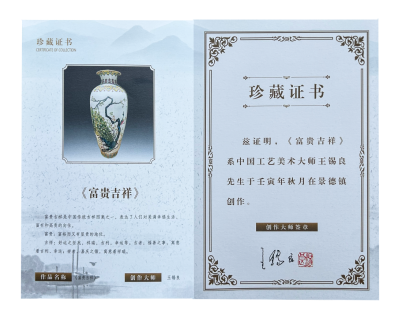
如今,《富贵吉祥》瓶不仅是一件可供陈设观赏的艺术品,更是一件承载着文化记忆与大师心血的收藏珍品。它附带着由大师亲笔签名的珍藏证书,每一件作品都具有独一无二的编号,是对其艺术价值的权威认证。在收藏市场上,王锡良大师的作品早已是陶瓷收藏界的标杆,而《富贵吉祥》瓶作为其晚年的重要作品,更是兼具艺术价值、历史价值与收藏价值,成为无数藏家梦寐以求的传世之宝。
Today, the "Fu Gui Ji Xiang" vase is not only an artwork for display but a treasured collectible that carries cultural memory and the master’s lifelong dedication. Accompanied by a collection certificate personally signed by the master, each piece bears a unique number, providing authoritative proof of its artistic value. In the art market, Master Wang’s works have long been benchmarks in ceramic collecting, and "Fu Gui Ji Xiang," as an important work from his later years, possesses exceptional artistic, historical, and collectible value, making it a coveted heirloom for countless collectors.
当我们凝视这件《富贵吉祥》瓶时,看到的不仅是一只开屏的孔雀、几枝盛放的鲜花,更是千年瓷文化的传承,是一位百岁大师对艺术的坚守,也是东方美学中对美好与吉祥的永恒追求。它静静地立在那里,洁白的瓷胎映着斑斓的彩羽,仿佛将整个春天的繁华都凝缩在了方寸之间,也将一份跨越时光的祝福,永远留在了这温润如玉的瓷器之上。
When we gaze at the "Fu Gui Ji Xiang" vase, we see not just a peacock spreading its tail and blooming flowers, but the inheritance of a thousand years of porcelain culture, the dedication of a centenarian master to his art, and the eternal pursuit of beauty and good fortune in Eastern aesthetics. Standing serenely, its white porcelain body reflecting the vibrant plumage, it seems to capture the splendor of an entire spring within its compact form, leaving a timeless blessing forever embedded in the jade-like warmth of the porcelain.
霁蓝釉暗刻留白龙纹梅瓶在中国陶瓷艺术的千年长河中,霁蓝釉暗刻留白龙纹梅瓶无疑是一抹令人心醉的深邃。它不似青花那般清丽,也不似粉彩那般...
富贵吉祥 郎窑红釉天球瓶 霁蓝釉暗刻留白龙纹梅瓶 清代宫廷风格豇豆红釉苹果尊

Copyright © 2002-2018 中国母婴网 版权所有 备案号:
站点声明:本网内容为转载,为广告,相关素材由广告主提供,广告主对本广告内容的真实性负责。
本网发布目的在于传递更多信息,并不代表本网赞同其观点和对其真实性负责,转载内容仅供读者参考。
如有站点名称冲突,侵权等请联系我们删除,请您监督!