时间:2026-05-18来源:网络作者:admin


在宋代陶瓷的璀璨星河中,钧窑以其 “入窑一色,出窑万彩” 的窑变釉色独树一帜,成为五大名窑中最具浪漫色彩的品类之一。这件宋代风格钧窑三足炉,以仿古铜鼎的形制为基,融合钧窑特有的青灰釉色与窑变质感,不仅是宋代文人雅室中焚香清供的典型器物,更是宋代制瓷工艺与审美风尚的集中体现,静静诉说着千年前窑火淬炼的匠心与宋人清雅淡泊的生活意趣。
In the brilliant galaxy of Song Dynasty ceramics, Jun Kiln stands out with its unique kiln-glazed colors, "one color into the kiln, ten thousand colors out of the kiln", becoming one of the most romantic categories among the five famous kilns. This Song-style Jun Kiln three-legged censer is based on the shape of an archaic bronze ding, integrating the unique blue-gray glaze color and kiln-change texture of Jun Kiln. It is not only a typical utensil for incense offering in the elegant rooms of Song literati but also a concentrated expression of Song Dynasty porcelain craftsmanship and aesthetic fashion, quietly telling the ingenuity forged by kiln fire a thousand years ago and the elegant and indifferent life interest of the Song people.
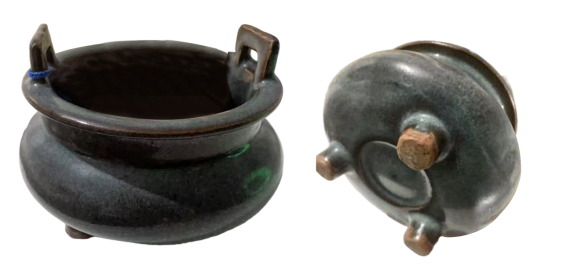
从形制来看,这件三足炉整体造型端庄古朴,线条简练沉稳,尽显宋代器物 “尚古、尚简” 的审美追求。炉身仿商周青铜鼎造型,口沿外撇,折沿宽厚,边缘施酱褐色护胎釉,既强化了器物的轮廓层次,也暗含了仿古铜器的质感;炉颈短而内敛,炉腹饱满圆润,线条从口沿自然过渡至炉腹,收放有度,呈现出稳重敦实的视觉效果;炉口两侧对称置冲天耳,耳形方正挺拔,线条利落,与炉身的圆柔线条形成刚柔并济的对比,既保留了鼎炉的威仪感,又不失瓷器的温润气质;底部承三乳状足,足端露胎处呈浅褐色,胎质坚实细腻,三足均匀分布,稳稳承托炉身,整体比例协调,重心沉稳,完美复刻了宋代仿古瓷鼎炉的经典形制,体现了宋代工匠对古器形制的精准理解与再创造。
In terms of shape, this three-legged censer has an overall dignified and simple shape with concise and steady lines, fully showing the aesthetic pursuit of "advocating antiquity and simplicity" in Song Dynasty artifacts. The censer body imitates the shape of a Shang and Zhou bronze ding, with a flared mouth, a wide folded edge, and a sauce brown glaze applied to the edge, which not only strengthens the outline hierarchy of the artifact but also implies the texture of archaic bronze ware. The neck of the censer is short and introverted, the belly is plump and round, and the lines transition naturally from the mouth to the belly with controlled expansion and contraction, presenting a stable and solid visual effect. Symmetrically placed on both sides of the censer mouth are upright ears, which are square and straight with sharp lines, forming a contrast of hardness and softness with the round and soft lines of the censer body, retaining the majesty of the ding censer while not losing the gentle temperament of porcelain. The bottom is supported by three breast-shaped feet, with the exposed at the end of the feet showing light brown color, and the is solid and delicate. The three feet are evenly distributed to stably support the censer body. The overall proportion is coordinated and the center of gravity is stable, perfectly reproducing the classic shape of the Song Dynasty archaic porcelain ding censer, reflecting the precise understanding and re-creation of ancient vessel shapes by Song Dynasty craftsmen.
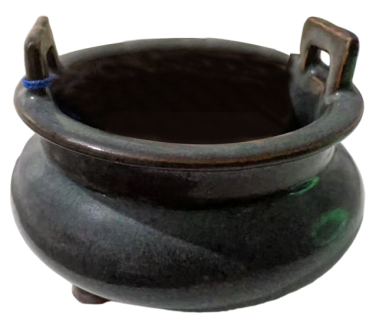
钧窑的灵魂在于釉色,这件三足炉的釉面便尽显钧窑青灰釉的独特魅力。炉身通体施钧窑青灰釉,釉色呈沉稳的蓝灰色调,釉面莹润肥厚,如凝脂般温润,在光线照射下泛着淡淡的光泽,釉层中隐约可见的细小开片纹,是钧窑瓷器在冷却过程中釉面自然收缩形成的 “冰裂纹”,为器物增添了几分古朴的岁月质感。口沿与炉耳边缘因釉层较薄,露出酱褐色的胎色,形成 “紫口铁足” 的视觉效果,这也是宋代钧窑瓷器的典型特征之一,既强化了器物的轮廓,也让釉色层次更加丰富。釉面整体呈现出钧窑特有的窑变质感,蓝灰釉色中偶见细微的色泽变化,如天空中的淡云流转,又如湖面的光影波动,没有刻意的雕琢,却在窑火的偶然中形成了独一无二的釉色纹理,完美诠释了钧窑 “窑变无双” 的艺术魅力。
The soul of Jun Kiln lies in its glaze color, and the glaze surface of this three-legged censer fully shows the unique charm of Jun Kiln's blue-gray glaze. The entire censer body is coated with Jun Kiln blue-gray glaze, with a calm blue-gray tone. The glaze surface is glossy and thick, as warm as coagulated fat, and shines faintly under the light. The tiny crackle patterns faintly visible in the glaze layer are the "ice crack patterns" formed by the natural shrinkage of the glaze surface during the cooling process of Jun Kiln porcelain, adding a touch of ancient texture to the artifact. The edges of the mouth and ears show the sauce brown color due to the thin glaze layer, forming the visual effect of "purple mouth and iron feet", which is also one of the typical characteristics of Song Dynasty Jun Kiln porcelain, strengthening the outline of the artifact and enriching the glaze color hierarchy. The glaze surface as a whole presents the unique kiln-change texture of Jun Kiln. There are occasional subtle color changes in the blue-gray glaze color, like light clouds flowing in the sky or light and shadow fluctuations on the lake surface. Without deliberate carving, a unique glaze texture is formed by chance in the kiln fire, perfectly interpreting the artistic charm of Jun Kiln's "unique kiln change".
宋代是中国陶瓷史上的黄金时代,钧窑瓷器以其独特的釉色与工艺,成为宫廷与民间都极为推崇的瓷器品类,而三足炉作为钧窑的经典器型,更是宋代文人生活的重要组成部分。宋代文人崇尚 “焚香、品茗、插花、挂画” 的 “四艺”,焚香不仅是祭祀礼仪的需要,更是文人雅士修身养性、营造清雅氛围的方式,三足炉的形制既源自商周青铜鼎的礼器传统,又经宋代工匠改良,成为兼具实用与审美的文房雅器。这件钧窑三足炉,既保留了青铜鼎的庄重威仪,又以钧窑温润的釉色与窑变质感,契合了宋人 “以物载道、崇尚自然” 的审美理念,炉内袅袅升起的香烟,与釉面的窑变光影相映成趣,营造出 “静室焚香,偷得浮生半日闲” 的诗意意境,成为宋代文人清雅生活的缩影。
The Song Dynasty was a golden age in the history of Chinese ceramics. Jun Kiln porcelain, with its unique glaze color and craftsmanship, became a highly respected category in both the court and among the people. As a classic shape of Jun Kiln, the three-legged censer was an important part of literati life in the Song Dynasty. Song literati advocated the "four arts" of "incense burning, tea tasting, flower arranging, and painting appreciation". Incense burning was not only a need for sacrificial rituals but also a way for literati to cultivate their minds and create an elegant atmosphere. The shape of the three-legged censer originated from the ritual vessel tradition of Shang and Zhou bronze dings and was improved by Song Dynasty craftsmen to become a study elegant utensil combining practicality and aesthetics. This Jun Kiln three-legged censer not only retains the solemn majesty of the bronze ding but also fits the Song people's aesthetic concept of "carrying the Tao with objects and advocating nature" with the warm glaze color and kiln-change texture of Jun Kiln. The curling incense rising from the censer contrasts with the kiln-change light and shadow on the glaze surface, creating the poetic artistic conception of "burning incense in a quiet room and stealing half a day's leisure from the floating life", becoming a microcosm of the elegant life of Song literati.
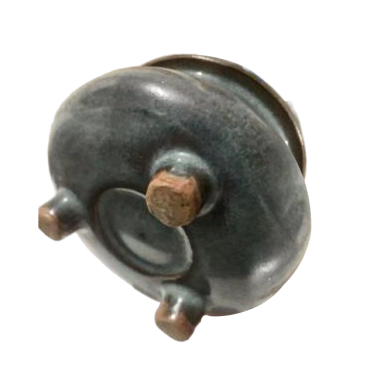
从工艺价值来看,这件三足炉展现了宋代钧窑制瓷工艺的高超水平。钧窑瓷器的烧制采用二次上釉工艺,先施一层底釉,再施一层面釉,经高温烧制后,釉料中的金属氧化物在窑火中发生化学反应,形成窑变釉色,这种工艺对窑温、气氛的控制要求极高,稍有偏差便无法形成理想的釉色效果。这件器物的釉面肥厚莹润,釉色均匀中带有自然的窑变变化,胎釉结合紧密,圈足修胎规整,足端露胎处的胎质坚实细腻,这些细节都体现了宋代钧窑工匠成熟的施釉、烧制与修胎技艺。同时,器物的形制设计也体现了宋代制瓷的科学性,冲天耳与三足的设计不仅增强了器物的稳定性,也便于持握与移动,炉腹的弧度设计则有利于香烟的聚集与散发,兼顾了实用功能与审美需求,是宋代 “器用为本,兼及审美” 设计理念的完美体现。
From the perspective of craft value, this three-legged censer shows the superb level of Song Dynasty Jun Kiln porcelain craftsmanship. Jun Kiln porcelain is fired using a double-glazing process: first applying a layer of base glaze, then a layer of top glaze. After high-temperature firing, the metal oxides in the glaze undergo chemical reactions in the kiln fire, forming kiln-change glaze colors. This process requires extremely high control of kiln temperature and atmosphere, and even a slight deviation cannot form the ideal glaze color effect. The glaze surface of this artifact is thick and glossy, with natural kiln-change changes in the uniform glaze color. The and glaze are closely combined, the foot is neatly trimmed, and the exposed at the end of the foot is solid and delicate. These details reflect the mature glazing, firing, and trimming skills of Song Dynasty Jun Kiln craftsmen. At the same time, the shape design of the artifact also reflects the scientific nature of Song Dynasty porcelain making. The design of the upright ears and three feet not only enhances the stability of the artifact but also facilitates holding and moving. The arc design of the censer belly is conducive to the gathering and distribution of incense smoke, taking into account both practical functions and aesthetic needs, which is a perfect embodiment of the Song Dynasty design concept of "taking utensils as the foundation and taking into account aesthetics".
历经千年岁月流转,这件宋代风格钧窑三足炉依然保持着温润的釉面与沉稳的器型,釉色中的窑变痕迹与开片纹理,都是时间赋予它的独特印记。它不仅是一件用于焚香的实用器具,更是宋代钧窑工艺与文化的载体,承载着宋代文人的清雅志趣,也见证了中国陶瓷史上钧窑窑变釉的艺术巅峰。如今,当我们凝视这件三足炉,仿佛能透过莹润的釉面,看见千年前窑火跳动的光影,听见宋代文人在炉前品香论道的低语,感受到钧窑瓷器独有的窑变之美与宋人内敛沉静的生活哲学。这件三足炉,以其古朴的形制、温润的釉色与独特的窑变质感,成为宋代钧窑瓷器的经典之作,也为我们打开了一扇窥见宋代陶瓷风华与文人雅韵的窗口,让我们在窑火凝铸的瓷韵中,读懂中国古代瓷器的魅力与东方美学的传承。
After thousands of years of circulation, this Song-style Jun Kiln three-legged censer still maintains a warm glaze surface and a stable shape. The kiln-change traces and crackle textures in the glaze color are unique marks given to it by time. It is not only a practical utensil for burning incense but also a carrier of Song Dynasty Jun Kiln craftsmanship and culture, carrying the elegant aspirations of Song literati and witnessing the artistic peak of Jun Kiln's kiln-change glaze in the history of Chinese ceramics. Today, when we gaze at this three-legged censer, we can seem to see the flickering light and shadow of the kiln fire a thousand years ago through the glossy glaze surface, hear the whispers of Song literati discussing Taoism in front of the censer, and feel the unique kiln-change beauty of Jun Kiln porcelain and the introverted and quiet life philosophy of the Song people. With its ancient shape, warm glaze color, and unique kiln-change texture, this three-legged censer has become a classic work of Song Dynasty Jun Kiln porcelain, opening a window for us to see the style of Song Dynasty ceramics and the elegant charm of literati, allowing us to understand the charm of ancient Chinese porcelain and the inheritance of oriental aesthetics in the porcelain rhyme cast by kiln fire.
郎窑红釉天球瓶郎窑红釉天球瓶,是清代康熙时期景德镇官窑的巅峰之作,也是中国红釉瓷器史上最耀眼的明珠之一。它以明艳如宝石的釉色...
明代青花缠枝花卉梅瓶:青花釉色里的大明风 富贵吉祥 郎窑红釉天球瓶 霁蓝釉暗刻留白龙纹梅瓶

Copyright © 2002-2018 中国母婴网 版权所有 备案号:
站点声明:本网内容为转载,为广告,相关素材由广告主提供,广告主对本广告内容的真实性负责。
本网发布目的在于传递更多信息,并不代表本网赞同其观点和对其真实性负责,转载内容仅供读者参考。
如有站点名称冲突,侵权等请联系我们删除,请您监督!