时间:2026-06-12来源:网络作者:admin


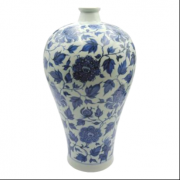
在中国陶瓷发展的千年长河中,青花瓷作为独属于中国的艺术瑰宝,将钴料的幽蓝与瓷胎的莹白融为一体,成为中古以后外销与宫廷御用瓷器的主流。明代是青花瓷发展的黄金鼎盛时期,窑火兴盛、料色精纯、画工奔放,这件明代青花缠枝花卉纹梅瓶,正是明代官窑青花的经典遗存。它以经典梅瓶器型为骨架,以缠枝四季花卉为纹饰内核,将苏麻离青独有的浓艳钴料发色、明代匠人写意灵动的绘画笔法,与中式传统吉祥纹样文化深度融合,在青白交融的釉面之上,书写着“以瓷承古、以青绘韵、以纹寄福”的华夏陶瓷文化内核,既是明代青花制式的标准范本,也是映照大明时代风貌的珍贵实物文物。
In the thousand-year long development of Chinese ceramics, blue and white porcelain stands as an exclusive artistic treasure of China, merging the deep blue of cobalt pigment with the lustrous white of porcelain body, and has become the mainstream of imperial and export porcelain after the medieval period. The Ming Dynasty marked the golden age for the development of blue and white porcelain, featuring prosperous kiln production, pure pigment materials and unrestrained painting craftsmanship. This Ming Dynasty blue and white pruned flower plum vase is a classic relic of official kiln blue and white porcelain from the Ming era. Taking the classic plum vase shape as its framework and interlocking seasonal flowers as the core decoration, it perfectly integrates the unique rich cobalt color of Sumali blue pigment, the free and easy brushwork of Ming craftsmen, and the traditional Chinese auspicious pattern culture. On the glaze surface blending blue and white hues, it interprets the core of Chinese ceramic culture: inheriting history with porcelain, expressing charm with blue glaze, and conveying blessings with patterns. It is not only a standard model of Ming Dynasty blue and white porcelain specifications, but also a precious physical artifact reflecting the social features of the Ming Dynasty.
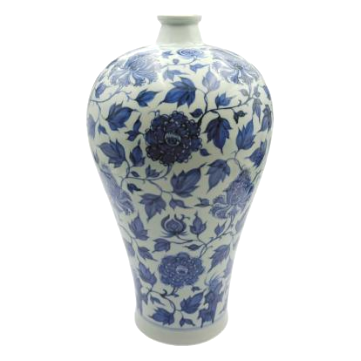
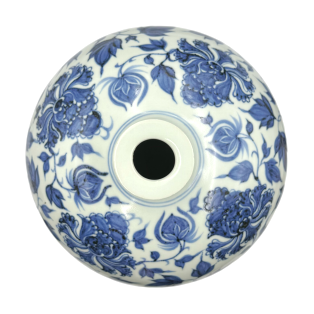
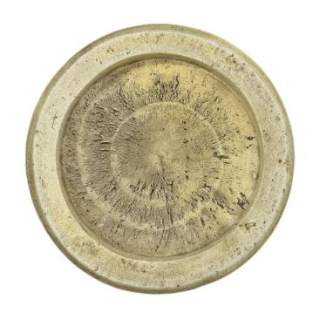
从器型结构与青花纹饰层面品读,这件藏品完美复刻了明代梅瓶独有的审美与工艺特征。梅瓶诞生于唐宋,在明代发展至形制巅峰,此瓶小口束颈、丰肩敛腹、圈足内敛,整体线条由肩部饱满圆润向下缓缓收束,轮廓流畅匀称,既满足古时储酒、陈设的实用功能,又契合中式古典含蓄典雅的审美追求。瓶口窄小厚实,能够牢牢封存酒水香气,浑圆的肩部是整器视觉重心,向下循序渐进收窄的瓶身,让整件器物稳重又不失轻盈的气韵。通体白釉温润肥厚,胎骨坚实细密,瓶身通体满绘青花缠枝花卉纹样,牡丹、莲花、秋葵、山茶等多种吉祥花卉沿着连绵不绝的枝蔓交错缠绕,花叶舒展饱满,花瓣层次分明,藤蔓婉转灵动,没有刻板的复刻描摹,带着明代画师一气呵成的写意笔触。青花发色浓淡错落,深色处凝聚铁锈斑,是进口苏麻离青料独有的天然特征,晕染过渡自然柔和,蓝白对比清雅大气。底部砂底呈现自然的窑烧旋纹与岁月土沁痕迹,粗糙古朴的胎底,是明代古瓷未经精细打磨的原生面貌。每一片花叶的勾勒、每一缕枝蔓的转折、每一处釉色的沉淀,都凝聚着明代瓷匠的纯熟功力,是解读明代官窑制瓷工序的关键实物依据。
When we appreciate this collection from the perspective of shape structure and blue and white decoration, it perfectly reproduces the exclusive aesthetic and craft features of Ming Dynasty plum vases. Originating in the Tang and Song dynasties, the plum vase reached its peak shape design in the Ming Dynasty. This vase features a small mouth, contracted neck, plump shoulders, tapered abdomen and recessed ring foot. Its smooth outline gradually narrows down from the full shoulders, balancing practical functions such as wine storage and interior display with the reserved and elegant classical Chinese aesthetic. The narrow thick rim was designed to lock in the aroma of wine, and the rounded shoulder serves as the visual focal point, while the gradually narrowing body endows the vessel with stability and graceful lightness. The entire piece is covered with thick, mild white glaze and solid dense porcelain body. The surface is fully painted with blue and white interlocking flower patterns, including peony, lotus, okra, camellia and other auspicious blossoms twisting along endless vines. The flowers and leaves stretch freely with distinct petal layers and flexible winding vines, painted in one continuous unrestrained stroke typical of Ming painters. The blue pigment varies in shade, with natural iron rust speckles forming on the darker sections, a unique natural trait of imported Sumali cobalt pigment, creating soft gradient transitions and an elegant contrast between blue and white. The sandy base retains natural kiln spiral traces and aged soil infiltration, the unpolished primitive texture authentic to ancient Ming porcelain. Every outlined petal, twisted vine and settled glaze layer embodies the seasoned skill of Ming porcelain craftsmen, serving as vital physical evidence for researching the production procedures of Ming official kilns.
烧制工艺与人文寓意层面,这件青花梅瓶承载着“古法窑艺为骨,吉祥文脉为魂”的创作内核。明代官窑青花瓷的烧制,需要历经制坯、修胎、绘彩、罩釉、柴窑高温烧制数十道繁复工序,对胎土筛选、钴料提纯、窑温把控都有着严苛标准,成品率极低,只有宫廷御用器物才能使用珍贵的进口苏麻离青料。缠枝花卉纹样并非单纯的装饰图案,在传统文化里,连绵不断的枝蔓寓意生生不息、世代绵长,牡丹象征富贵雍容,莲花代表清廉高洁,多种花卉组合在一起,构成了“四季安康、繁花永驻”的美好祈愿,是明代皇室阶层理想愿景在瓷器上的投射。这件梅瓶将西域传来的钴料工艺、蒙古游牧审美遗韵、中原儒家吉祥文化三者融为一体,正是明代中外文明交流融合的具象缩影。数百年地下埋藏造就了自然温润的老化包浆,没有人为做旧改动,完整保留了原生烧制与岁月侵蚀的原始状态,从陶泥塑形到窑火淬炼,再到漫长时光的封存,完整记录了一件明代重器完整的生命历程。
In terms of firing craft and humanistic implication, this blue and white plum vase carries the creative core of ancient kiln craftsmanship as the foundation and auspicious cultural heritage as the soul. The production of Ming official kiln blue and white porcelain required dozens of intricate procedures including blank forming, trimming, painting, glazing and high-temperature wood kiln firing, with strict standards for clay selection, cobalt purification and kiln temperature control, resulting in an extremely low yield rate. Precious imported Sumali blue pigment was exclusively reserved for imperial court wares. The interlocking flower patterns are far more than mere ornamentation: the endless twisting vines symbolize perpetual vitality and lasting lineage, peonies stand for prosperity and dignity, and lotus flowers represent integrity and nobility. The combination of multiple blossoms conveys the blessing of peace and prosperity all year round, reflecting the ideal aspirations of the Ming royal family inscribed on porcelain. This plum vase integrates cobalt technology introduced from Western regions, residual nomadic aesthetic culture and Confucian auspicious traditions of central China, acting as a tangible miniature of cultural exchange and integration in the Ming Dynasty. Centuries of underground burial formed soft natural aged patina without artificial modification, perfectly preserving the original state of kiln firing and natural erosion. From clay shaping and fire tempering to long-term underground preservation, it records the complete life journey of a precious Ming Dynasty antique vessel.
历史与收藏价值维度来看,明代青花缠枝花卉梅瓶是大明瓷业盛世的微型文化镜像。作为明代经典器型与经典纹饰的结合体,它凭借成熟的工艺、正统的纹样与清晰的时代痕迹,成为古陶瓷收藏领域的核心珍品,兼具不可复制的历史考古价值、传统文化价值与传世收藏价值。存世品相完好的明代官窑青花梅瓶存世数量十分稀少,大多被各大博物馆馆藏,民间完整流传的真品更是寥寥无几。它早已超越普通陈设瓷的属性,成为串联起中国古代陶瓷史、中外贸易交流史、传统民俗吉祥文化的关键纽带,是考古学家复原明代社会生活、手工业发展、审美变迁的一手实物资料。每一次细细端详这件梅瓶,都是一场跨越时空的对话,在幽蓝的青花纹路之间,触摸大明王朝的盛世窑火,感受中式古典美学跨越百年依旧生生不息的独特魅力。
From the perspective of historical and collection value, the Ming Dynasty blue and white interlocking flower plum vase is a miniature cultural mirror of the prosperous porcelain industry of the Ming Empire. As a perfect combination of classic Ming vessel shape and traditional decorative patterns, it ranks as a core treasure in antique ceramic collection thanks to its mature craftsmanship, orthodox patterns and distinct historical traces, possessing irreplaceable archaeological value, traditional cultural value and heritage collection value. Intact authentic Ming official kiln blue and white plum vases are extremely rare, most preserved in major museums, with very few genuine pieces remaining in private collections. It has long transcended the identity of ordinary display porcelain, evolving into a vital link connecting ancient Chinese ceramic history, Sino-foreign trade history and traditional folk auspicious culture, serving as first-hand physical material for archaeologists to reconstruct Ming social life, handicraft development and aesthetic evolution. Every careful appreciation of this plum vase is a dialogue across time and space, allowing viewers to touch the prosperous kiln flames of the Ming Dynasty amid the deep blue blue-and-white patterns, and experience the enduring unique charm of classical Chinese aesthetics that has lasted for hundreds of years.
郎窑红釉天球瓶郎窑红釉天球瓶,是清代康熙时期景德镇官窑的巅峰之作,也是中国红釉瓷器史上最耀眼的明珠之一。它以明艳如宝石的釉色...
明代青花缠枝花卉梅瓶:青花釉色里的大明风 富贵吉祥 郎窑红釉天球瓶 霁蓝釉暗刻留白龙纹梅瓶

Copyright © 2002-2018 中国母婴网 版权所有 备案号:
站点声明:本网内容为转载,为广告,相关素材由广告主提供,广告主对本广告内容的真实性负责。
本网发布目的在于传递更多信息,并不代表本网赞同其观点和对其真实性负责,转载内容仅供读者参考。
如有站点名称冲突,侵权等请联系我们删除,请您监督!