时间:2026-05-18来源:网络作者:admin


在中国清代陶瓷史上,康熙时期的青花瓷以“料分五色、层次分明”的特点,成为青花瓷器的巅峰。这件青花婴戏纹凤尾尊,以“婴戏”为主题,融青花、人物、山水技法于一体,将清代宫廷的华贵气象、民间童趣与制瓷技艺的巅峰水平融为一体,在瓷釉流转间诉说着“以瓷为器、以纹载趣、以色传韵”的青花文化逻辑,既是康熙青花瓷器的典型体现,更是清代盛世瓷艺的珍贵遗存。
In the history of Chinese ceramics of the Qing Dynasty, blue and white porcelain of the Kangxi period, with its characteristic of "five shades of blue and distinct layers", became the peak of blue and white porcelain. This blue and white phoenix-tailed vase with children-at-play patterns takes "children at play" as its theme, integrating blue and white, figure and landscape techniques. It blends the magnificent atmosphere of the Qing court, folk childlike fun and the peak level of porcelain making skills. Between the flowing porcelain glaze, it conveys the blue and white porcelain culture logic of "taking porcelain as a vessel, carrying fun through patterns, and conveying charm with colors". It is not only a typical embodiment of Kangxi blue and white porcelain, but also a precious relic of Qing Dynasty prosperous porcelain art.
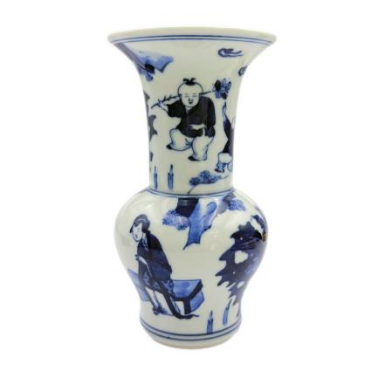
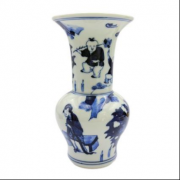
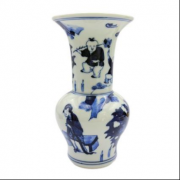
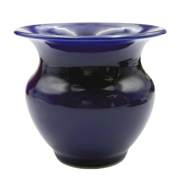
从形制与纹饰维度审视,此作尽显“康熙青花神韵、盛世童趣气象”的特质。凤尾尊采用撇口、长颈、鼓腹、圈足的经典造型,线条流畅优美,胎质细腻洁白,釉面莹润光亮,尽显康熙瓷器的胎釉之美。瓶身以青花为饰,分颈、腹两部分描绘婴戏场景:颈部绘童子嬉戏,或持花、或执扇,神态天真烂漫;腹部绘仕女与婴孩,仕女端坐,孩童环绕嬉戏,背景衬以山石、松竹、祥云,营造出清幽雅致的庭院意境。青花发色浓艳明快,层次分明,采用“分水”技法,将青料分为浓淡不同的色阶,表现出景物的远近层次与立体感。器底落“大清康熙年制”六字双圈楷书款,笔力工整,布局严谨,是康熙官窑瓷器的典型款识。整体纹饰繁而不乱,人物神态生动,青花浓淡相宜,尽显“盛世童趣、阖家欢悦”的吉祥气象。每一处纹饰的勾勒、每一笔青花的晕染,都凝聚着康熙官窑工匠的匠心,成为解析清代青花瓷画技法的核心物质纽带。
From the perspective of form and decoration, this work fully demonstrates the characteristics of "Kangxi blue and white charm and prosperous childlike atmosphere". The phoenix-tailed vase adopts a classic shape with a flared mouth, long neck, bulging belly and ring foot, with smooth and beautiful lines, delicate and white胎质, and a bright and shiny glaze surface, showing the beauty of the胎质 and glaze of Kangxi porcelain. The body of the vase is decorated with blue and white, depicting children-at-play scenes in two parts: the neck and the belly. The neck depicts children playing, some holding flowers, some holding fans, with innocent expressions. The belly depicts ladies and children, with the ladies sitting upright and the children playing around them. The background is set with rocks, pine and bamboo, and auspicious clouds, creating a quiet and elegant courtyard artistic conception. The blue and white color is rich and bright, with distinct layers. Using the "water division" technique, the blue and white material is divided into different shades to show the depth and three-dimensional sense of the scene. The bottom of the vase is inscribed with the six-character double-circle regular script "Made in the Kangxi Year of the Great Qing Dynasty", with neat calligraphy and rigorous layout, which is a typical mark of Kangxi imperial kiln porcelain. The overall decorations are intricate but not messy, the characters are vivid, and the blue and white shades are appropriate, fully showing the auspicious atmosphere of "prosperous childlike fun and family joy". Every outlined pattern and every dyed blue and white color condense the ingenuity of Kangxi imperial kiln craftsmen, becoming a core material link for analyzing the blue and white porcelain painting techniques of the Qing Dynasty.
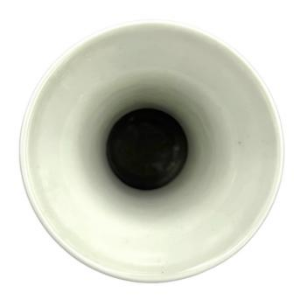
工艺与文化内涵层面,《青花婴戏纹凤尾尊》承载着“青花瓷艺为骨、吉祥文化为魂”的创作追求。康熙时期的青花瓷,以“分水、勾勒、渲染”等技法见长,此作中,青花的分水工艺运用得淋漓尽致,从浓艳的蓝到淡雅的灰,层次丰富,表现出山石的立体感与人物的灵动;婴戏纹的刻画采用工笔技法,线条流畅,神态天真,孩童的嬉戏场景充满童趣,传递出“多子多福、阖家安康”的吉祥寓意;背景的山石松竹以写意技法勾勒,与人物形成对比,营造出清幽雅致的庭院意境。尤为精妙的是,瓶身的青花纹饰与莹润的白釉形成对比,一蓝一白,相得益彰,体现了康熙青花瓷“蓝白相映、层次分明”的制瓷理念。此作创作于康熙盛世,正值清代制瓷工艺的巅峰时期,婴戏纹作为传统吉祥纹饰,不仅传递出对子孙满堂的祈愿,也展现了清代宫廷对民间童趣的推崇。每一笔青花的晕染、每一处纹饰的刻画,都在无声诉说着清代官窑制瓷工艺的精湛与吉祥文化的内涵,使这件作品兼具瓷艺的工艺美与吉祥文化的寓意美。
In terms of craftsmanship and cultural connotation, Blue and White Phoenix-tailed Vase with Children-at-Play Patterns embodies the creative pursuit of "blue and white porcelain art as the bone and auspicious culture as the soul". Blue and white porcelain of the Kangxi period is famous for techniques such as "water division, outlining and rendering". In this work, the water division technique of blue and white is fully displayed, with rich layers from rich blue to light gray, showing the three-dimensional sense of the rocks and the agility of the characters. The depiction of the children-at-play patterns adopts meticulous techniques, with smooth lines and innocent expressions. The children's playing scenes are full of childlike fun, conveying the auspicious implication of "many children and many blessings, family peace and health". The background rocks, pine and bamboo are outlined with freehand techniques, contrasting with the characters, creating a quiet and elegant courtyard artistic conception. What is particularly exquisite is that the blue and white decorations on the vase body contrast with the bright white glaze, blue and white complement each other, reflecting the porcelain making concept of "blue and white reflecting each other, distinct layers" of Kangxi blue and white porcelain. Created in the prosperous Kangxi period, when the porcelain making technology of the Qing Dynasty was at its peak, the children-at-play patterns, as traditional auspicious patterns, not only convey the wish for a full house of descendants, but also show the Qing court's respect for folk childlike fun. Every dyed blue and white color and every depicted pattern silently tell the exquisite craftsmanship of Qing Dynasty imperial kiln porcelain making and the connotation of auspicious culture, making this work have both the craft beauty of porcelain art and the implied beauty of auspicious culture.
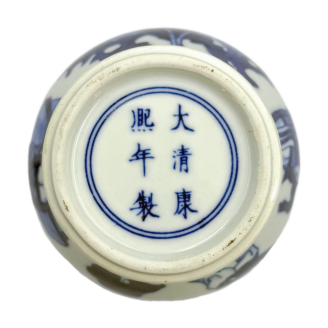
文化与收藏价值维度看,清康熙青花婴戏纹凤尾尊是清代盛世青花瓷艺与吉祥文化的“微观镜像”。作为康熙青花瓷的代表,这件凤尾尊以精湛的工艺、生动的纹饰与吉祥的寓意,成为清代青花瓷的典范,见证了康熙盛世的繁荣与制瓷工艺的巅峰。此作以“婴戏”为题材,既展现了清代官窑制瓷的高超水平,又传递出传统吉祥文化中“多子多福”的祈愿,是民间童趣文化在清代官窑瓷器中的生动体现。在当代收藏语境下,康熙青花瓷因其稀缺性与艺术价值极高,成为陶瓷收藏界的热门品类,兼具历史价值、文化价值与收藏投资价值。尤其是像青花婴戏纹凤尾尊这类官窑精品,更是收藏界的珍品,市场价值与文化价值均不可估量。它不仅是一件瓷器,更是连接清代盛世与当代世界的文化纽带,每一次观赏,都是一次与清代宫廷文化的对话,感受青花瓷艺术的魅力与吉祥文化的深厚内涵。
From the perspective of cultural and collection value, the Kangxi blue and white phoenix-tailed vase with children-at-play patterns is a "micro mirror" of Qing Dynasty prosperous blue and white porcelain art and auspicious culture. As a representative of Kangxi blue and white porcelain, this phoenix-tailed vase, with its exquisite craftsmanship, vivid decorations and auspicious implications, has become a model of Qing Dynasty blue and white porcelain, witnessing the prosperity of the Kangxi prosperous era and the peak of porcelain making technology. Taking "children at play" as its theme, this work not only shows the superb level of Qing Dynasty imperial kiln porcelain making, but also conveys the wish for "many children and many blessings" in traditional auspicious culture, which is a vivid embodiment of folk childlike fun culture in Qing Dynasty imperial kiln porcelain. In the contemporary collection context, Kangxi blue and white porcelain has become a popular category in the ceramic collection circle due to its scarcity and extremely high artistic value, with historical value, cultural value and collection investment value. Especially fine imperial kiln works like the blue and white phoenix-tailed vase with children-at-play patterns are treasures in the collection circle, with immeasurable market and cultural values. It is not only a piece of porcelain, but also a cultural link connecting the Qing Dynasty prosperous era with the contemporary world. Every appreciation is a dialogue with Qing Dynasty court culture, feeling the charm of blue and white porcelain art and the profound connotation of auspicious culture.
当我们凝视这件青花婴戏纹凤尾尊,瓷釉的莹润光泽与纹饰的生动在眼前交融,康熙官窑的制瓷匠心与吉祥文化的内涵在方寸间碰撞,仿佛能感受到清代宫廷的华贵气象与盛世的繁荣气息,体会到康熙青花瓷的魅力与传统吉祥文化的韵味。这件作品不仅是康熙青花瓷的典范之作,更是清代盛世瓷艺的珍贵遗存,在瓷釉的流转中静静散发着青花的莹润之美,以其独特的形制与文化内涵,让每一位观者都能读懂这份藏在瓷瓶中的宫廷故事,感受那份融于青花中的盛世传承与艺术魅力。
When we gaze at this blue and white phoenix-tailed vase with children-at-play patterns, the luster of the porcelain glaze and the vivid decorations blend before our eyes. The porcelain making ingenuity of Kangxi imperial kiln and the connotation of auspicious culture collide in a small space. It is as if we can feel the magnificent atmosphere of the Qing Dynasty court and the prosperous atmosphere of the prosperous era, experiencing the charm of Kangxi blue and white porcelain and the charm of traditional auspicious culture. This work is not only a model work of Kangxi blue and white porcelain, but also a precious relic of Qing Dynasty prosperous porcelain art. It quietly exudes the luster beauty of blue and white porcelain in the flowing porcelain glaze. With its unique form and cultural connotation, it allows every viewer to understand the court story hidden in the porcelain vase and feel the prosperous inheritance and artistic charm integrated into the blue and white.
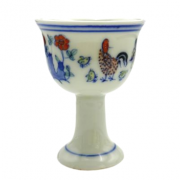
明成化斗彩鸡缸高脚杯:瓷中瑰宝的成化风华明成化斗彩鸡缸高脚杯:瓷中瑰宝的成化风华 在中国明代陶瓷史上,成化时期的斗彩瓷器以 “胎薄釉润、色彩淡雅”的特点...
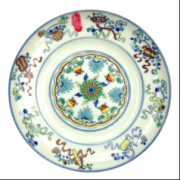
清康熙青花婴戏纹凤尾尊:盛世青花的童趣风 清康熙青花婴戏纹凤尾尊:盛世青花的童趣风 明成化斗彩鸡缸高脚杯:瓷中瑰宝的成化风华 明成化斗彩暗八仙花卉纹盘:瓷中瑰宝的斗彩
Copyright © 2002-2018 中国母婴网 版权所有 备案号:
站点声明:本网内容为转载,为广告,相关素材由广告主提供,广告主对本广告内容的真实性负责。
本网发布目的在于传递更多信息,并不代表本网赞同其观点和对其真实性负责,转载内容仅供读者参考。
如有站点名称冲突,侵权等请联系我们删除,请您监督!