时间:2026-07-21来源:网络作者:adminf


Premium Recommendation — Jiangnan Guangxu Yuanbao
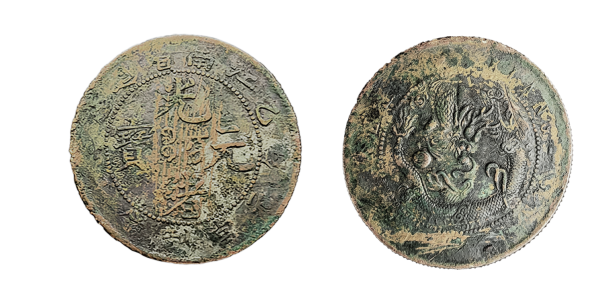
*本次藏品:江南光绪元宝*
典藏尺寸:重:6.8g 直径:28.2mm
江南光绪元宝—— 江南省造光绪元宝铜元,满身斑驳绿锈未掩龙纹威仪,文字制式完整清晰,尺寸重量标准规范,是兼具历史研究价值、艺术审美价值与收藏升值潜力的清代机制铜元精品。
顺治二年,清廷设立江南省,辖区囊括今日江苏、安徽、上海全域,地域辽阔、经济富庶,是清王朝财税核心重地。康熙六年,朝廷拆分江南省为江苏、安徽两省,但民间、官场仍习惯性沿用 “江南” 旧称。到光绪年间设立造币厂时,造币总局选址南京(时属江苏江宁府),为延续百年地域称谓、彰显昔日江南富庶文脉,钱币正面统一镌刻 “江南省造” 四字,这也是中国近代机制币中,唯一标注早已撤销省份名称的钱币系列,独一无二的文字标识,赋予它区别于北洋、湖北、广东等省铜元的特殊历史意义。
江南造币厂始建于光绪二十三年,是国内最早引进西方冲压造币设备的官办造币机构之一。鸦片战争后,传统方孔制钱产能低下、流通弊端丛生,海外外币大量涌入扰乱国内金融市场。为整顿货币秩序、充盈地方财政、抵制洋钱,清廷下令各省建厂铸造机制铜元与银元。江南作为东南财赋重镇,率先全套引进英国伯明翰造币厂机械,采用标准化冲压工艺生产钱币,江南光绪元宝系列就此诞生。
不同于民间私铸粗劣钱币,官造铜元有着严苛的铸造规范。本次展出藏品实测重量 6.8 克,直径 28.2 毫米,完全契合江南当十铜元官方标准规格。机器冲压带来规整的珠圈、深浅有度的图文浮雕,即便历经百余年地下埋藏锈蚀,字体骨架、龙鳞纹理依旧可辨,足以见证晚清官办造币成熟的工业水准,是中国近代钱币机械化转型的实物见证。
这枚江南光绪元宝正反两面各司其职,一面镌刻汉字纪年纪地,承载中华传统文字体系;一面铸造蟠龙纹样,象征封建皇权威仪,一文一龙,完整融合中式传统文化与近代工业美学。
钱币正面中心直读 “光绪元宝” 四个楷书大字,字体端庄浑厚,是晚清官方标准馆阁体,笔画起落顿挫分明,虽表层铜锈覆盖部分笔画,但字体结构完整无缺。珠圈外环上方横书 “江南省造”,点明铸造属地;下方标注面值 “每元当制钱十文”,清晰规定流通兑换价值,即一枚铜元可兑换传统方孔制钱十枚;左右两侧搭配干支纪年文字,是江南铜元标志性设计,用以区分铸造年份,方便官府统计铸币总量、管控货币流通。满文分列两侧,为清代钱币固有制式,代表户部官造许可,满文字形舒展规整,是清代满汉双轨货币制度的直观体现。环绕币面的细密圆珠珠圈,既是装饰,也起到防伪作用,私铸钱币往往珠圈大小不均、残缺模糊,此藏品珠圈连贯均匀,官铸品质一目了然。
钱币背面为清代官方标准蟠龙图案,也是整枚藏品最具观赏力的部分。主龙居中,龙头双目圆睁、犄角分明,龙须飘逸灵动,龙身盘绕币面,层层龙鳞采用细密点状冲压,纹路层次丰富,即便锈蚀包裹,依旧能分辨鳞片堆叠的立体感;龙爪遒劲有力,张开抓握火球宝珠,火球纹路圆润饱满;龙尾向两侧舒展,搭配祥云底纹,云雾线条婉转流畅,自带腾云驾雾的磅礴气势。蟠龙外环英文字样,标注省份与面值,是晚清钱币中西交融的典型特征 —— 当时中外贸易频繁,英文标识方便通商口岸外商识别流通,小小的铜元,成为晚清对外开放、中外商贸往来的缩影。
藏品通体覆盖厚重原生老包浆,绿锈、土黄沁色层层叠加,是长期地下埋藏自然形成的原生态锈层。没有人为清洗打磨、化学除锈的人工痕迹,完整保留钱币原始埋藏状态。老藏家素来推崇 “原锈原味”,人工清洗会永久损伤币面图文底板,大幅折损藏品价值,而这枚藏品自然锈蚀层次丰富,深浅交错的锈色如同时光滤镜,赋予钱币厚重沧桑的复古美感,原生包浆也是鉴定古钱币真伪、判断流传环境的核心依据。
Jiangnan Province-minted Guangxu Yuanbao Bronze Coin. Its surface is covered in mottled verdigris patina, yet the imposing carved dragon motif remains striking. All inscriptions follow the standard official format with clear outlines, and its weight and diameter fully comply with the official specifications. It stands as a fine example of late Qing machine-struck bronze currency boasting profound historical research value, distinctive artistic appeal, and promising long-term collectible appreciation potential.
In the 2nd year of the Shunzhi reign, the Qing court established Jiangnan Province, covering the entirety of modern-day Jiangsu, Anhui and Shanghai. Vast in territory and abundant in commerce, it formed the core tax revenue base of the Qing Dynasty. In the 6th year of the Kangxi reign, the imperial government split Jiangnan Province into Jiangsu and Anhui. Nevertheless, the ancient regional name "Jiangnan" remained widely used among civilians and government officials alike. When the official mint was founded during the Guangxu reign, its site was chosen in Nanjing (then known as Jiangning Prefecture, Jiangsu Province). To carry forward the century-old regional title and pay homage to Jiangnan’s historic prosperity and cultural heritage, every coin bears the inscription "Minted in Jiangnan Province" on its obverse. This makes it the sole series of modern Chinese machine-struck currency to feature the name of a province long dissolved, a unique marking that sets it apart from bronze coins produced in Beiyang, Hubei, Guangdong and other mints, endowing it with exceptional historical significance.
The Jiangnan Imperial Mint was founded in the 23rd year of the Guangxu reign, ranking among China’s earliest official mints fully equipped with Western stamping machinery. Following the First Opium War, traditional square-hole copper cash suffered from low production efficiency and severe circulation flaws. Mass influx of foreign currencies further destabilized China’s domestic financial system. To standardize monetary order, replenish local fiscal reserves and curb the circulation of foreign silver, the Qing court ordered provincial authorities to build mints for machine-struck bronze and silver coins. As a vital economic hub along the lower Yangtze River, Jiangnan took the lead in importing complete sets of machinery from the Birmingham Royal Mint of Britain, launching mass production of standardized machine-struck coins and birthing the Jiangnan Guangxu Yuanbao series.
Unlike crudely counterfeited private coins, official government-minted bronze pieces adhered to rigid casting standards. This collected specimen weighs 6.8 grams with a diameter of 28.2 millimeters, perfectly matching the official standard dimensions for the 10-cash Jiangnan bronze coin. Precision mechanical stamping delivers neatly aligned bead borders and relief patterns with distinct depth. Even after over a century of underground corrosion, the structural strokes of characters and layered textures of dragon scales remain discernible. It serves as tangible physical evidence of the mature industrial craftsmanship of late Qing official mints and marks China’s transition to mechanized currency production.
The obverse and reverse sides of this Jiangnan Guangxu Yuanbao each carry distinct design purposes. One side bears Chinese characters recording its minting region and year, embodying China’s traditional writing culture; the other is engraved with an imperial panlong dragon emblem, symbolizing the supreme authority of the Qing royal house. The harmonious combination of script and dragon art perfectly integrates traditional Chinese aesthetics with modern industrial craftsmanship.
Centered on the obverse are four regular script characters "Guangxu Yuanbao", rendered in the formal imperial calligraphic style of the late Qing court. Each stroke features deliberate rises and falls, conveying solemnity and grandeur. Though partial character surfaces are covered by copper patina, the complete structural form of every character is preserved. Along the upper rim of the bead border runs the horizontal inscription "Minted in Jiangnan Province", identifying its origin. The lower rim bears the denomination inscription "Each coin equals ten traditional cash coins", clearly defining its exchange value in daily circulation. Flanking the central characters are sexagenary cycle year markers, an iconic design exclusive to Jiangnan bronze coins used to differentiate production years, enabling imperial authorities to track total mintage and regulate currency circulation. Manchu script is inscribed on both sides, a standard feature of Qing Dynasty coinage signifying official authorization by the Ministry of Revenue. The fluid, well-proportioned Manchu characters visually demonstrate the dual Manchu-Han monetary governance system of the Qing Empire. A fine continuous bead circle encircles the coin face, serving both decorative and anti-counterfeiting functions. Counterfeit private coins often feature uneven, broken bead borders, while this specimen’s unbroken, uniform beads attest to its authentic official mint origin.
The reverse face displays the standard imperial panlong dragon pattern of the late Qing, the most visually captivating element of the artifact. A central dragon dominates the field, with round piercing eyes, distinct antlers and flowing whiskers. Its coiled body is detailed with densely stamped dotted scales, creating rich layered depth visible even beneath accumulated corrosion. Powerful claws grip a flaming pearl with smooth rounded cloud motifs winding around the dragon’s extended tail, crafting a dynamic, majestic scene of the dragon soaring through mist. English lettering runs along the outer rim of the dragon design, labeling the mint region and denomination — a hallmark of late Qing currency’s fusion of Eastern and Western culture. Frequent Sino-foreign trade during this era necessitated English markings for foreign merchants at treaty ports to identify coinage, turning this tiny bronze token into a miniature reflection of late China’s opening to global commerce.
The entire coin is enveloped in thick natural original patina, interwoven with layers of verdigris and earthy yellow rust formed naturally over long-term underground burial. No artificial polishing, grinding or chemical rust removal has altered its original buried condition. Veteran coin collectors universally value untouched natural patina; artificial cleaning permanently etches and damages the coin’s base metal and engraved details, drastically diminishing its collectible worth. This specimen’s multi-toned natural rust creates a textured, time-worn aesthetic like a natural vintage filter. Original patina also acts as a core authentication marker for antique coins, used by experts to verify authenticity and trace its burial environment.
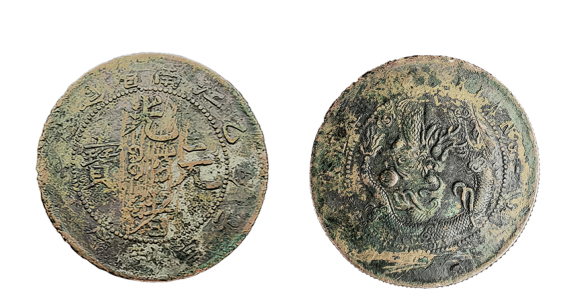
*本次藏品:江南光绪元宝*
典藏尺寸:重:6.8g 直径:28.2mm
一枚小小的铜元,折射出光绪朝内忧外患的社会全貌。光绪年间,清王朝内有太平天国余波、地方天灾不断,外有列强侵华、巨额赔款压身,国库常年空虚。传统制钱铸造耗费大量铜料,成本居高不下,朝廷亟需低成本、高产能的货币填补财政缺口,机制铜元应运而生。
江南地区依托长江航运,工商业、丝绸茶叶贸易高度发达,民间商品流通需求庞大,江南造币厂常年保持高铸币量,钱币流通覆盖江浙沪皖整个东南地区。但短短数十年间,时局急转直下:清末新政乱象、各省私铸泛滥、货币贬值通胀加剧,辛亥革命爆发后,清王朝统治彻底崩塌,江南造币厂停铸清代龙纹铜元,光绪元宝系列就此停止生产,流通历史戛然而止。
短短二十余年铸造史,加上战乱损耗、回收熔铸、民间遗失,完整留存、品相完好的江南光绪元宝存世量持续递减。大量流通品因常年市井磨损、人为清洗、残缺破损失去收藏价值,像本次藏品这般尺寸标准、图文完整、原生未清理的传世出土精品,存世愈发稀少。
一)不可复刻的历史史料价值
江南光绪元宝是研究晚清财政、近代工业、地域行政、中外贸易多重领域的一手实物史料。钱币上的 “江南省造” 填补清代行政区划研究空白;机械化冲压工艺记录中国近代重工业起步;满汉英三文并存印证晚清对外开放;面值、纪年文字可梳理清末货币改革完整脉络。博物馆、钱币研究机构常年征集此类完整官铸铜元,学术研究需求持续支撑藏品底层价值。
(二)独树一帜的传统美学价值
钱币设计集清代书法、龙纹雕刻、金属铸造工艺于一体。正面楷书规整大气,满文古朴独特;背面蟠龙是清代宫廷龙纹艺术民间化的经典范本,雕刻工匠融合皇家威严与民间审美,线条刚柔并济。历经百年氧化形成的原生锈彩,每一枚都独一无二,是现代仿古工艺品无法复刻的自然肌理,兼具把玩观赏、陈设陈列的美学属性,置于文房案头,尽显古韵风雅。
(三)稳步上扬的古玩市场收藏价值
近几年古钱币收藏市场持续升温,清代龙纹机制铜元是大众收藏热门品类。相较于高价稀缺银元,江南当十铜元门槛适中、文化底蕴充足,深受入门藏家与资深行家双重青睐。市场行情清晰呈现两极分化:磨损严重、清洗破坏、残缺变形的普通流通品价格平稳,而原汁原味、图文清晰、规格标准的原生老包浆精品逐年稳步升值。
This tiny bronze coin mirrors the full social landscape of the Guangxu reign, an era beset with domestic turmoil and foreign aggression. During the Guangxu period, the Qing Dynasty grappled with lingering unrest left by the Taiping Rebellion and frequent regional natural disasters at home; abroad, imperial powers launched repeated invasions, saddling the empire with crushing war indemnities that left the national treasury perpetually depleted. Casting traditional square-hole cash coins consumed massive quantities of copper at exorbitant costs. Desperate for low-cost, high-yield currency to plug fiscal deficits, the imperial government pioneered machine-struck bronze coins.
Relying on the Yangtze River shipping network, the Jiangnan region boasted flourishing industry, commerce, silk and tea trades, generating enormous demand for circulating currency among the populace. The Jiangnan Imperial Mint maintained consistently high mintage volumes, with its coins circulating across the entire southeastern region covering modern Jiangsu, Zhejiang, Shanghai and Anhui. Yet the political tide shifted drastically within just a few decades: the chaotic implementation of late Qing New Policies, rampant private counterfeiting across provinces, and surging inflation driven by currency devaluation destabilized the monetary system. Following the outbreak of the 1911 Revolution, Qing rule collapsed entirely. The Jiangnan Mint halted production of dragon-patterned bronze coins of the Qing Dynasty, putting an abrupt end to the mintage and circulation history of the Guangxu Yuanbao series.
Produced for merely over two decades, these coins suffered heavy losses amid warfare, state-led melting for metal recovery, and civilian misplacement over the years. The surviving population of intact, well-preserved Jiangnan Guangxu Yuanbao specimens keeps shrinking year by year. Most circulated pieces have lost collectible value due to heavy market wear, damaging artificial cleaning, deformation and incomplete patterns. High-quality unearthed relics matching official dimensional standards, retaining complete inscriptions and dragon motifs with untouched natural patina — such as the specimen featured here — have become increasingly scarce.
(I) Irreplaceable Historical Documentary Value
Jiangnan Guangxu Yuanbao serves as first-hand physical archival material for multi-disciplinary research spanning late Qing fiscal policy, early modern industry, regional administrative divisions and Sino-foreign trade. The inscription “Minted in Jiangnan Province” fills gaps in research on Qing territorial administration; its mechanized stamping technology records the infancy of China’s modern heavy industry; the coexistence of Manchu, Chinese and English scripts stands as tangible proof of late China’s opening up to the outside world; denomination and sexagenary cycle markings enable scholars to map the full trajectory of late Qing monetary reforms. Museums and numismatic research institutions continuously seek complete official bronze coins of this type, and persistent academic demand underpins the intrinsic core value of such relics.
(II) Distinctive Traditional Aesthetic Value
The coin’s design integrates Qing calligraphy, imperial dragon engraving and metal casting craftsmanship into a single artifact. Its obverse bears dignified, well-structured regular Chinese script paired with primitive, distinctive Manchu characters. The reverse panlong dragon represents a classic folk adaptation of imperial court dragon art from the Qing Dynasty. Ancient engravers balanced regal solemnity with folk aesthetic tastes through a harmonious interplay of bold and delicate carving lines. Every specimen bears one-of-a-kind natural patina formed over a century of oxidation, an organic texture impossible to replicate in modern imitation antiques. It offers great aesthetic pleasure for personal appreciation and display: placed on a scholar’s desk, it exudes timeless classical charm.
(III) Steadily Appreciating Market Collectible Value
The antique coin collecting market has boomed in recent years, with machine-struck bronze coins bearing Qing dragon patterns ranking among the most sought-after categories for mainstream collectors. Compared with rare, high-priced silver dollars, the Jiangnan 10-cash bronze coin carries an accessible entry threshold paired with profound cultural heritage, winning favor from novice collectors and veteran connoisseurs alike. The market follows a clear two-tiered pricing trend: ordinary heavily worn, chemically cleaned or damaged circulated coins hold flat market value, while premium pieces with untouched original patina, crisp inscriptions and official standard specifications see steady year-on-year appreciation.

*本次藏品:江南光绪元宝*
典藏尺寸:重:6.8g 直径:28.2mm
以上藏品相关信息请与四川极蕴拍卖有限公司联系,我们将为您提供一对一专业服务。
For more information about this collection, please contact Sichuan Jiyun Auction Co., Ltd. We will provide you with one-on-one professional service.
玛瑙鎏金包镶凤首人物故事纹贲巴壶这件贲巴壶以天然缠丝玛瑙为器身主体,取整块玛瑙随形雕琢而成,器体通透温润,天然形成的灰褐、奶白、浅黄缠丝纹理如...
清代光绪元宝铜元:晚清时代变革里的龙纹钱 鎏金背光和田白玉释迦造像:金玉相融的宫廷 玛瑙鎏金包镶凤首人物故事纹贲巴壶 乌金釉梅瓶

Copyright © 2002-2018 中国母婴网 版权所有 备案号:
站点声明:本网内容为转载,为广告,相关素材由广告主提供,广告主对本广告内容的真实性负责。
本网发布目的在于传递更多信息,并不代表本网赞同其观点和对其真实性负责,转载内容仅供读者参考。
如有站点名称冲突,侵权等请联系我们删除,请您监督!