时间:2026-05-07来源:网络作者:admin


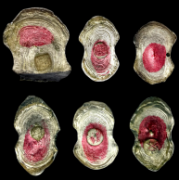
在时间的长河中,白银曾以多种形态见证着中国古代经济的脉搏,而银锭无疑是其中最具代表性的载体之一。眼前这组六枚银锭,虽形制、大小略有差异,却共同承载着一段跨越数百年的货币文明记忆。它们没有现代货币的标准化轮廓,也没有统一的面值标记,却以独特的肌理与印记,诉说着古代白银流通体系的真实面貌,成为触摸历史温度的珍贵实物。
In the long river of time, silver has witnessed the pulse of ancient Chinese economy in various forms, and silver ingots are undoubtedly one of the most representative carriers. The six silver ingots in front of us, though slightly different in shape and size, together carry the memory of a monetary civilization spanning hundreds of years. They do not have the standardized outlines of modern currencies, nor unified denomination marks, yet they tell the true face of the ancient silver circulation system with their unique textures and imprints, becoming precious objects to touch the temperature of history.
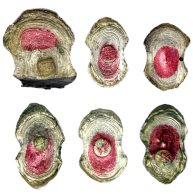
银锭作为古代的称量货币,其铸造与流通始终与当时的社会经济紧密相连。自唐代出现银铤,宋代改称银锭,元代始有 “元宝” 之名,明清两代白银更是成为主要流通货币,广泛用于赋税缴纳、商业贸易与大额支付。这组银锭的形制,正是明清时期民间或地方铸造银锭的典型特征:整体呈不规则的腰形或椭圆形,边缘因浇铸冷却而形成自然的褶皱,表面则布满了层层叠叠的水波纹路 —— 这是白银熔铸过程中,金属液体冷却收缩留下的痕迹,每一道纹路都是独一无二的,如同银锭的 “年轮”,记录着它从液态到固态的诞生过程。部分银锭底部可见方形或圆形的印记,有的带有朱砂红的戳记痕迹,这些标记或是银炉商号的标识,或是成色检验的凭证,是当时白银流通中信用体系的重要组成部分,也为后世研究银锭的铸造来源提供了关键线索。
As weighing currencies in ancient times, the casting and circulation of silver ingots were always closely linked to the social economy of the time. Silver ingots first appeared in the Tang Dynasty, were called "yin ding" in the Song Dynasty, and began to be known as "yuan bao" in the Yuan Dynasty. In the Ming and Qing dynasties, silver became the main circulating currency, widely used for tax payment, commercial trade and large-value payments. The shape of this set of silver ingots is a typical feature of folk or locally cast silver ingots in the Ming and Qing dynasties: the overall shape is irregular waist or oval, the edges form natural folds due to casting and cooling, and the surface is covered with layers of water ripple patterns - these are traces left by the cooling and shrinkage of molten silver during the casting process. Each pattern is unique, just like the "annual rings" of the silver ingot, recording its birth process from liquid to solid. Square or round marks can be seen on the bottom of some silver ingots, and some have traces of cinnabar red stamps. These marks are either the logos of silver shops or certificates of fineness inspection, which were important parts of the credit system in the circulation of silver at that time, and also provide key clues for later generations to study the casting sources of silver ingots.
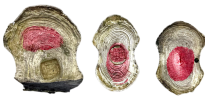
观察这组银锭的细节,能清晰感受到古代铸造工艺的质朴与精妙。银锭表面并非光滑平整,而是带着手工浇铸特有的凹凸质感,水波纹路细密而流畅,如同凝固的涟漪,每一道起伏都反映着熔银冷却时的细微变化。朱砂红的印记分布在银锭表面,或在中心,或在边缘,色彩虽历经岁月却依旧鲜明,与银白的底色形成强烈对比,既可能是当时官府或商号对银锭成色、重量的确认标记,也可能是为了防止私铸伪造而留下的防伪手段。银锭的边缘厚薄不均,有的地方因浇铸时的流溢而略显粗糙,有的则因冷却收缩而形成自然的弧度,这种不规整恰恰是古代手工铸造的真实印记,区别于后世机器铸造的刻板与统一,也让每一枚银锭都成为无法复制的孤品。它们的重量也各不相同,从几两到十数两不等,这种差异正是古代银两制度的特点 —— 白银以重量为价值尺度,成色与重量共同决定了银锭的实际购买力,无需统一的面值,仅靠自身的金属价值即可在市场中流通,这种原始而直接的货币形式,折射出古代商业信用体系的朴素逻辑。
Observing the details of this set of silver ingots, one can clearly feel the simplicity and subtlety of ancient casting technology. The surface of the silver ingots is not smooth and flat, but has the uneven texture unique to hand casting. The water ripple patterns are fine and smooth, like solid ripples, and each undulation reflects the subtle changes when the molten silver cooled. The cinnabar red marks are distributed on the surface of the silver ingots, either in the center or at the edges. The colors are still bright despite the passage of time, forming a strong contrast with the silver-white background. They may have been confirmation marks of the fineness and weight of the silver ingots by the government or merchants at that time, or anti-counterfeiting means left to prevent private casting and forgery. The edges of the silver ingots are uneven in thickness, some parts are slightly rough due to overflow during casting, and others form natural arcs due to cooling shrinkage. This irregularity is precisely the real mark of ancient hand casting, which is different from the rigidity and uniformity of later machine casting, and also makes each silver ingot an irreplaceable unique piece. Their weights also vary, ranging from a few taels to more than ten taels. This difference is exactly the characteristic of the ancient silver tael system - silver used weight as the measure of value, and fineness and weight together determined the actual purchasing power of the silver ingots. Without a unified denomination, they could circulate in the market only by their own metal value. This primitive and direct form of currency reflects the simple logic of the ancient commercial credit system.
这组银锭的价值,早已超越了单纯的货币属性,成为承载历史、文化与工艺的多重载体。从历史角度看,它们是明清时期白银流通的实物见证,反映了当时赋税制度、商业贸易与货币体系的运行状况,银锭上的商号印记、成色标记,为研究地方经济与银炉分布提供了鲜活的资料。从文化角度看,银锭作为古代财富的象征,其铸造与流通中蕴含着古人对信用的理解,朱砂印记、水波纹路等细节,不仅是工艺的体现,更是当时社会秩序与商业伦理的缩影。从工艺角度看,每一枚银锭的浇铸过程,都凝聚着古代工匠的经验与智慧,如何控制熔银的温度、如何保证冷却的均匀、如何留下清晰的标记,这些看似简单的步骤背后,是代代相传的技艺传承。如今,当我们凝视这组银锭,看到的不仅是一块块凝固的白银,更是一段鲜活的历史 —— 它们曾在商人的钱袋中辗转,在税吏的账本上登记,在百姓的手中传递,见证过繁华的市井交易,也经历过朝代更迭的风雨,最终以这样的姿态留存下来,成为连接过去与现在的纽带。
The value of this set of silver ingots has long gone beyond the mere monetary attribute, becoming a multi-dimensional carrier of history, culture and craftsmanship. From a historical perspective, they are physical witnesses to the circulation of silver in the Ming and Qing dynasties, reflecting the operation of the tax system, commercial trade and monetary system at that time. The shop marks and fineness marks on the silver ingots provide vivid materials for studying the local economy and the distribution of silver furnaces. From a cultural perspective, as a symbol of ancient wealth, the casting and circulation of silver ingots embody the ancients' understanding of credit. Details such as cinnabar marks and water ripple patterns are not only reflections of craftsmanship, but also microcosms of social order and commercial ethics at that time. From a craftsmanship perspective, the casting process of each silver ingot embodies the experience and wisdom of ancient craftsmen. How to control the temperature of molten silver, how to ensure uniform cooling, how to leave clear marks - behind these seemingly simple steps is the inheritance of skills passed down from generation to generation. Today, when we gaze at this set of silver ingots, we see not just pieces of solidified silver, but a vivid history - they have been passed around in merchants' money bags, recorded on tax collectors' ledgers, and transferred in the hands of common people. They have witnessed prosperous market transactions and experienced the storms of dynastic changes, and finally remained in such a posture, becoming a link connecting the past and the present.
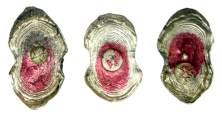
在现代货币体系早已脱离金属本位的今天,银锭早已退出流通领域,成为博物馆与藏家手中的藏品。但这组银锭所承载的意义,却并未随着时代的变迁而褪色。它们以质朴的形态,向我们展示了古代白银作为货币的真实面貌,让我们得以窥见那个以重量定价值、以印记定信用的时代。每一道纹路、每一处印记,都是历史留下的密码,等待着我们去解读;每一枚银锭,都是一个沉默的讲述者,诉说着数百年前的经济脉动与社会生活。当指尖抚过银锭表面的水波纹路,仿佛能触摸到熔银冷却时的温度,感受到古代工匠的指尖温度,也能想象出它们曾经历过的流通场景。这组银锭,不仅是一组文物,更是一段可触摸的历史,一种被凝固的时光,它让我们明白,那些看似冰冷的金属,也能承载起厚重的文明记忆,在岁月的流转中,始终闪耀着独特的光芒。
Today, when the modern monetary system has long been separated from the metal standard, silver ingots have long since withdrawn from circulation and become collections in museums and collectors' hands. However, the significance carried by this set of silver ingots has not faded with the changes of the times. With their simple forms, they show us the true face of ancient silver as currency, allowing us to glimpse the era when value was determined by weight and credit by marks. Every pattern and every mark is a code left by history, waiting for us to decipher; each silver ingot is a silent narrator, telling the economic pulse and social life hundreds of years ago. When fingers brush over the water ripple patterns on the surface of the silver ingots, it is as if we can touch the temperature when the molten silver cooled, feel the fingertips of the ancient craftsmen, and imagine the circulation scenes they once experienced. This set of silver ingots is not only a group of cultural relics, but also a touchable history, a solidified time. It makes us understand that those seemingly cold metals can also carry heavy civilization memories, and always shine with unique light in the passage of time.
刘智《吉利九鱼图》:笔墨生韵的吉祥画卷与刘智《吉利九鱼图》:笔墨生韵的吉祥画卷与雅俗共赏之美 在中国当代花鸟画坛,刘智的《吉利九鱼图》以灵动的笔墨、鲜...
银锭一组 张松茂《三顾茅庐》雪景瓷板画:瓷上丹青的 刘智《吉利九鱼图》:笔墨生韵的吉祥画卷与 雍正年制珐琅彩龙凤纹盘一对:御窑龙凤的珐

Copyright © 2002-2018 中国母婴网 版权所有 备案号:
站点声明:本网内容为转载,为广告,相关素材由广告主提供,广告主对本广告内容的真实性负责。
本网发布目的在于传递更多信息,并不代表本网赞同其观点和对其真实性负责,转载内容仅供读者参考。
如有站点名称冲突,侵权等请联系我们删除,请您监督!